
A Guide to Food & Wine Pairing: What to Pour with Dinner
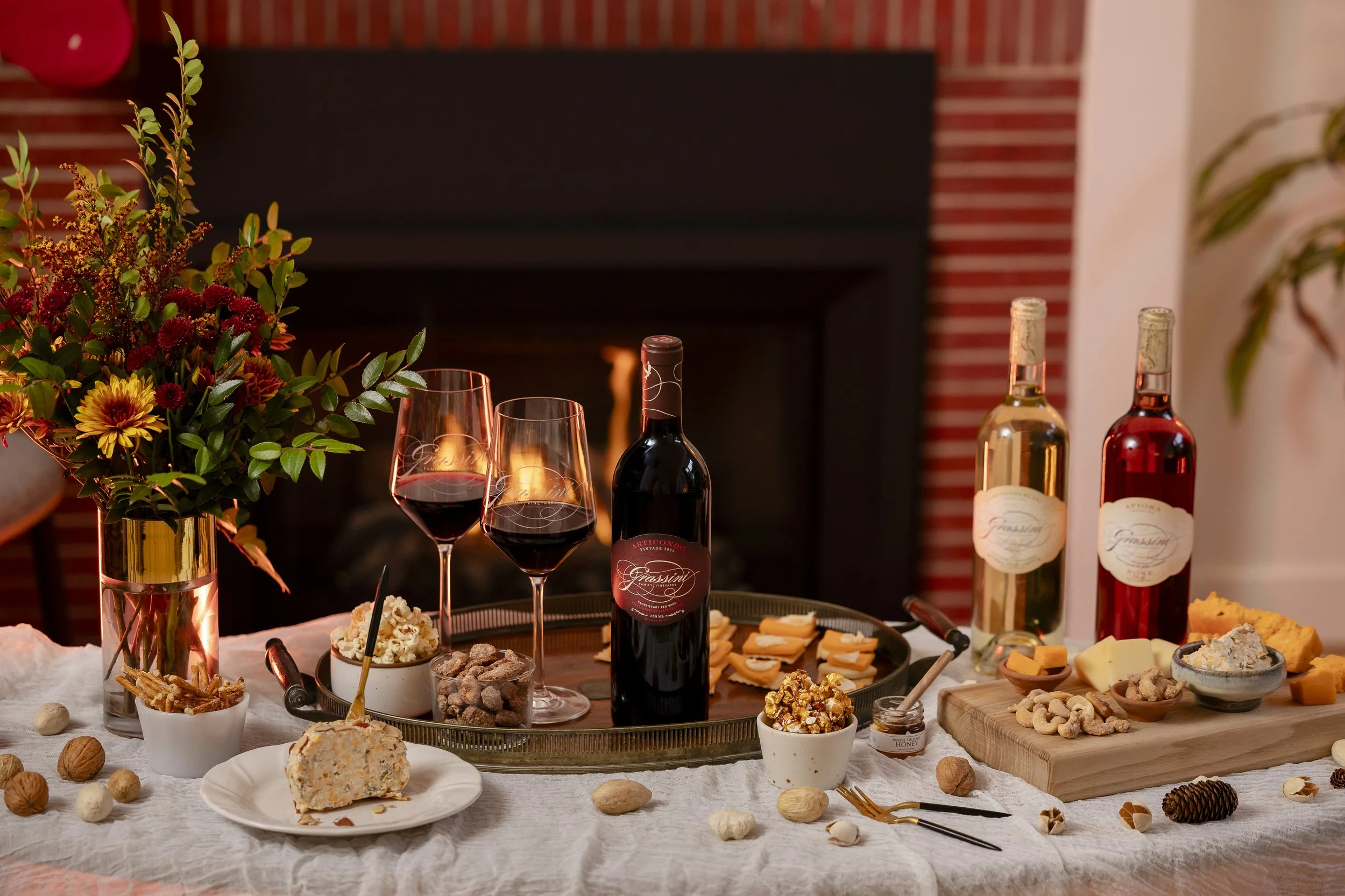
A thoughtful pairing can bring out flavors in both the food and the wine that might otherwise go unnoticed. But it doesn't require a rulebook—just a few principles to pour with confidence, whether you're hosting a dinner party or deciding what to open on a Tuesday night.
Start with the Weight of the Dish
Match the intensity of the wine to the intensity of the dish. Lighter fare calls for brighter, more delicate wines; richer dishes can stand up to more body and structure.
Fresh seafood, salads, light appetizers → Sauvignon Blanc or other bright whites
Roasted chicken, pork, mushrooms, richer seafood → fuller-bodied whites or lighter reds
Steak, lamb, braised meats, hearty fare → Cabernet Sauvignon or Bordeaux-style blends
Look Past the Protein
What accompanies a dish often matters more than the dish itself. Grilled chicken with lemon and herbs wants something very different from chicken in a rich mushroom reduction. Pasta with fresh tomatoes has different needs than pasta finished with short rib and Parmesan.
Consider the dominant flavors on the plate—bright, earthy, spicy, creamy, smoky, rich—and pour to match them.
Match Acidity with Acidity
Tomatoes, citrus, vinaigrettes, and fresh cheeses can flatten a lower-acid wine. A wine with vibrant acidity stays lively alongside them instead.
Sauvignon Blanc is a natural fit for fresh seafood, goat cheese, and citrus-forward dishes, where its freshness can complement similarly bright flavors on the plate.
Think About Texture
Flavor isn't the only thing that matters when pairing wine and food. Texture can be just as important.
Crisp, refreshing wines can provide contrast to creamy or fried foods, while wines with more body and texture can complement richer dishes. A fuller-bodied white, for example, can be a beautiful partner for roasted poultry, richer seafood, or dishes with cream and butter—foods that might overwhelm a more delicate wine.
Sometimes the best pairing isn't about matching flavors at all, but about finding the right balance between what's in the glass and what's on the plate.
Match Richness with Structure
Rich, savory dishes need a wine that can hold its own, and this is where Cabernet Sauvignon and other Bordeaux varieties shine.
Tannins interact beautifully with fat and protein, while acidity helps keep a rich meal from feeling heavy. But don't think only of steak: mushrooms, roasted root vegetables, savory herbs, and deeply caramelized flavors can be just as compelling alongside a structured red.
The goal isn't necessarily to find the biggest wine for the richest dish. It's to find enough structure and freshness to create balance.
Cheese Boards Don't Need One Right Answer
That's part of the fun. Fresh, tangy cheeses lean toward bright whites; nutty, aged cheeses can stand up to structured reds; creamy cheeses benefit from a wine with enough acidity to cut through.
Serving several styles at once? Pick one versatile wine rather than chasing a perfect match for every cheese on the board.
A Few Pairings from Our Cellar
The same principles apply when choosing among wines from our own cellar. Here are a few of our favorite pairings:
Happy Canyon Sauvignon Blanc — Freshness + Acidity
Fresh seafood, oysters, goat cheese, ceviche, seasonal vegetables, and bright citrus- and herb-driven dishes. Its freshness and acidity make it an especially versatile choice for lighter fare.
Sauvignon Blanc Reserve — Texture + Richness
Richer seafood, roasted chicken, creamy cheeses, and dishes with more weight and texture. Its fuller profile allows it to accompany richer preparations while retaining the freshness that makes Sauvignon Blanc so food-friendly.
Articondo — Versatility + Savory Flavors
Slow-braised beef short ribs, rosemary-garlic roasted chicken, wild mushroom and thyme risotto, or grilled New York strip. Its combination of dark fruit, fresh acidity, warm spice, and herbal notes makes it particularly versatile with savory dishes.
Estate Cabernet Sauvignon — Structure + Richness
Herb-crusted prime rib, roasted meats, wild mushroom and thyme stuffing, or roasted root vegetables. Bright acidity keeps the wine fresh alongside richer foods, while its structure and dark fruit make it a natural partner for hearty dishes.
And Sometimes, Forget the Rules
The most important rule of pairing is that personal preference wins. Love Cabernet with pizza? Drink Cabernet with pizza. Prefer a crisp white with something unexpected? There's no reason not to.
The best pairing is the one that makes the meal more enjoyable.
At Grassini, we believe wine is at its best when it's shared—with good food, good company, and enough time to enjoy all three.
Ready to find a bottle for your next meal?